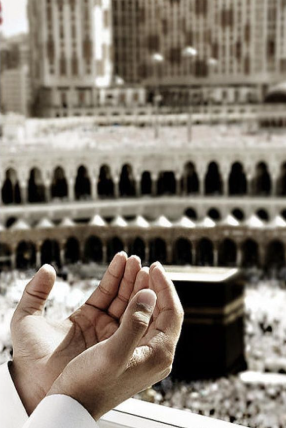
Why Performing Umrah in Ramadan Is More Virtuous
The month of Ramadan is one of the most blessed and sacred months in Islamic Shariah. During this month, the amount and reward of worship performed by Muslims increase manifold compared to other months. Along with fasting, prayer, charity, and recitation of the Qur’an, special importance is given to performing Umrah in the blessed month of Ramadan.
Umrah is an independent act of worship that can be performed at any time of the year. In the Qur’an, Allah the Exalted says:
“And complete the Hajj and Umrah for Allah.” (Surah Al-Baqarah — 2:196)
One of the main reasons Ramadan is considered special among the seasons of Umrah is the multiplication of rewards in this month. The reward for righteous deeds and acts of worship in Ramadan increases many times compared to other times.
Regarding performing Umrah in Ramadan, the Messenger of Allah (sallallahu alaihi wa sallam) said to a woman:
“Performing Umrah in Ramadan is equivalent to performing Hajj with me.” (Sahih al-Bukhari — Hadith: 1782)
From this hadith, it is understood that the reward of Umrah in Ramadan holds a status comparable to Hajj in terms of virtue. However, scholars have clearly stated that it is not a substitute for the obligatory Hajj; rather, it indicates a special excellence in reward.
There are also hadiths mentioning the special virtue of worship in Ramadan. The Messenger of Allah (sallallahu alaihi wa sallam) said:
“Whoever fasts during Ramadan with faith and in hope of reward, his previous sins will be forgiven.” (Sahih al-Bukhari — Hadith: 38)
From the above hadiths, it becomes clear that Ramadan is fundamentally a month of forgiveness, increased worship, and drawing closer to Allah. In this context, performing Umrah in Ramadan is considered a particularly virtuous act of worship.