Ramadan: A Time for Spiritual Purification, Worship, and Charity
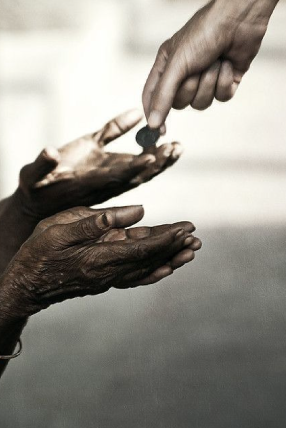
The month of Ramadan is a period for self-purification, worship, and compassion in our lives. During this month, acts of charity and financial worship not only increase a person’s good deeds but also strengthen the bonds of solidarity and cooperation in society by helping the poor and needy. The rewards for every act of charity and worship in Ramadan are multiplied, and some voluntary deeds are counted equivalent to obligatory deeds. For example, if someone provides Iftar to a fasting person, they will receive a reward equal to that of the fasting person, and this reward continues without any reduction.
The importance of charity in Islam is clearly reflected in the Quran and Hadith. Allah Almighty says:
“O Prophet! Take charity from their wealth to purify and sanctify them.” — Surah At-Tawbah — 9:103
Through charity, the promise of blessings in wealth has also been given. The true purpose of charity is not just temporary assistance, but also the purification of the soul and the cultivation of social responsibility. Giving charity to the poor, needy, destitute, travelers, and other eligible recipients is considered a moral duty of wealthy Muslims.
The Prophet Muhammad sallallahu alaihi wasallam gave the most charity during Ramadan. Abdullah ibn Abbas Radhiyallahu Anhu said that the Prophet sallallahu alaihi wasallam was the most generous of people. During Ramadan, his generosity increased even more than usual, especially when Angel Jibril alaihissalam met him. Jibril alaihissalam would come to him every night during Ramadan, and they would recite the Quran together. At that time, the Prophet sallallahu alaihi wasallam was more generous than a beneficial wind. (Bukhari: 6, Muslim: 2308, Musnad Ahmad: 2616)
Another important financial act of worship in Ramadan is Zakat. Giving Zakat during Ramadan is considered a time of special virtue. Zakat is one of the five pillars of Islam, and it establishes a fair bond between the rich and the poor in society.
Zakat is calculated according to the Nisab threshold, and a rate of 2.5% is applied depending on the type of wealth. Muslims who calculate and pay Zakat properly during Ramadan contribute to the welfare of both the individual and society.
The difference between Zakat and Sadaqah is that Zakat is obligatory and fixed in amount, whereas Sadaqah is voluntary and can be given in any amount. Alongside Zakat, giving Sadaqah in Ramadan also holds special significance, as it protects from harm and brings blessings to sustenance.
Charity brings blessings to wealth. Allah Almighty says:
“Indeed, those who recite Allah’s Book, establish prayer, and spend of what We have provided them, secretly and publicly, hope for a trade that will never perish. So that Allah may give them the full reward for their deeds, and He will give them even more by His grace. Indeed, He is Most Forgiving, Most Appreciative.” — Surah Fatir: 29-30
The Prophet sallallahu alaihi wasallam said:
“Those who give charity secretly, Allah will provide them shade under His Throne on the Day of Judgment.” — Bukhari: 660
Zakat not only purifies individual wealth but also assists the eight categories of people entitled to receive it, including the poor, the destitute, the needy, those in debt, and those striving in the cause of Allah.
Paying Zakat in Ramadan is not only an expression of generosity; it is an important act of worship in obedience to Allah’s command. Zakat purifies wealth, provides rightful support to the needy, and helps establish justice and balance in society. Therefore, calculating and giving Zakat properly is the duty of every capable Muslim. May Allah accept our Zakat and bless our sustenance. Ameen.